In moments of despair, when you feel as though you have lost everything, many turn inwards searching for strength. But what happens when we look beyond ourselves? When exploring positive mental health outcomes, the role of spirituality and the belief in something greater than oneself must be considered. In an age of medicalisation, it is very easy to find a “quick fix” for any problem using medication and procedures. It is such a shame that doctors don’t have more time to simply sit with their patients and go through solutions to ailments separate from medication, as sometimes focusing on the basics can make a world of difference. While talk therapy is revolutionary for mental health outcomes, spiritual practices can provide a sense of peace and purpose beyond simply intellectualising mental health struggles. In times of mental distress, the main thing that people need is guidance, in whatever form that takes. The belief that we are not alone in this world is intrinsic to positive mental health outcomes, a belief that is supported by multiple forms of spirituality and religion.

Spirituality can take a multitude of forms. The way I like to think about the concept of spirituality is knowing that our lives and the world around us have greater significance than what can be found in the mundane operations of everyday life. The belief that there is something greater than oneself guides many people in their search for meaning and purpose. The beautiful thing about spirituality is every individual experiences it in their own, unique way. The most common form of spirituality is religion. Religion provides a shared belief system with organised practices that assist individuals in their search for meaning and purpose. A distinction is often drawn between spirituality and religion, treating them as separate practices, an idea that I believe is exacerbated by the colloquialisation of spirituality. I see spirituality as more of an umbrella term used to describe an individual’s journey to enlightenment, a journey that can be supported by religious practices or other forms of self-discovery. Whatever form spirituality takes, it is an opportunity to connect with something greater, finding strength, hope and peace within this.

One of the most profound ways that spirituality can support mental health is through fostering a connection to something that is greater than the individual. This can take many forms, from believing in a higher power to unity with nature, the universe or humanity itself. This belief often allows people to reframe their thinking by transcending their worldly challenges, allowing their experience to exist in a more meaningful and broader context. Many mental health challenges are exacerbated by the feeling of loneliness and feelings of being disconnected from the world around you. Spirituality can help to counteract these feelings, allowing people to feel like a part of a greater whole, rather than being alone in the universe. In Christianity for example, knowing that you are a part of a divine plan and that you are loved by God provides solace and comfort that for many people, cannot be found in the mundane.

Another narrative that spirituality encourages is that you can find meaning in suffering. This belief helps with the understanding that while sometimes the challenges that life throws you feel unbearable, these hardships may have a purpose, such as teaching resilience and growth, or allowing for opportunities that align you with your true purpose. Buddhist philosophy views suffering as an inherent part of life but encourages the individual to make peace with these challenges through mindfulness and compassion. This is an interesting concept that is also used in psychology called “radical acceptance”, this is a distress tolerance skill using Dialectical Behavioural Therapy (DBT). This strategy encourages accepting that sometimes things don’t go how we want them to, even if it’s something we are unhappy with. This aims to stop emotional pain from turning into suffering because no matter how unfair and overwhelming things feel, no amount of distress allows you to regain control of things that cannot be controlled. As someone who has participated in DBT and has also learned about it as a part of my psychology degree, the theory of “radical acceptance” has helped me immensely with how I feel about myself and what goes on around me. When things feel out of control, it’s very easy to feel as if your whole world is crumbling. Suddenly, a spilt coffee or a lost phone turns into “everything is really bad, everywhere, all the time”. Radical acceptance has allowed me to embrace the tumultuous nature of life, accepting changes without having to approve of them. Additionally, studies have shown that people who follow a religion or engage with spirituality tend to be more resilient to stress and trauma. This could be due to these beliefs providing them with a sense of hope, or due to a perspective shift from “me” to “us”, reducing the tendency for self-focused rumination which is a common feature of many mental health challenges.
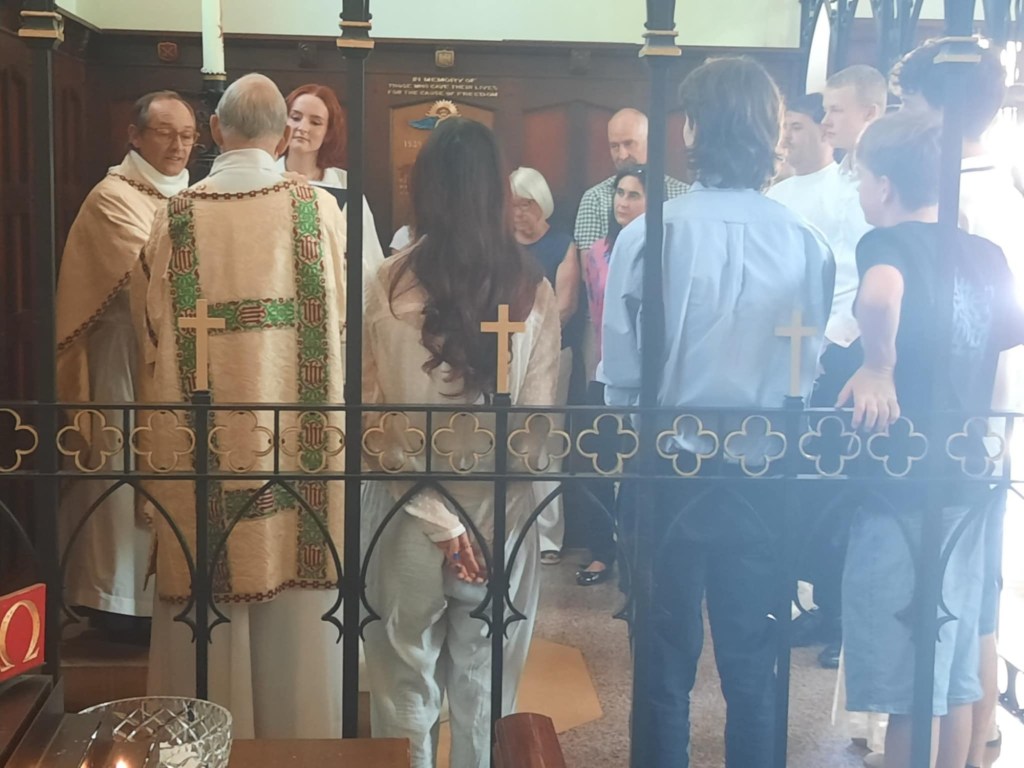
Spirituality often brings people together, aiding in creating communities that provide individuals with support, compassion, and a renewed sense of purpose. As aforementioned, loneliness is a major contributor to poor mental health, but spirituality can provide a network of people who empathise, understand, and encourage those who are struggling, helping them through hard times. The power of belonging must not be underestimated; support networks built around a common purpose allow people to feel as though they are seen and valued. For example, someone who is grieving may find a sense of comfort in attending church services, where they can freely express their emotions in a supportive environment and be met with messages of hope and renewal. Personally, Christianity has always been a part of my life in one way or another. I grew up going to Anglican schools, where my first experiences of faith were ones built on compassion and community through my enjoyment of learning the gospel and singing in the chapel choir. Once I left school, I greatly missed attending church, something I think I took for granted for a lot of my schooling. Recently, I have renewed my involvement with the church, and I believe it’s one of the best decisions I have ever made. The solace that I have rediscovered in God has been transformative in the way that I view myself and the world, filling me with a renewed sense of love for the world and those in it, including myself. Through shared rituals and traditions, people form connections with communities that deepen unity between individuals and with spirituality.
Spirituality, in its many forms, can help those who feel lost in life find a sense of meaning and purpose. While for some, simply believing in something greater than oneself is enough to provide mental strength, the communities found within these belief systems are invaluable. I think that participating in spirituality, in whatever form, can be revolutionary to the way that we treat mental health. If you’re considering some soul searching, or perhaps attending church, this is your sign! In seeking connection with something greater than ourselves, we may happen to discover the inner peace and strength we’ve been searching for all along.



 Libby's Odyssey
Leave a comment