
While feminists and men’s rights activists stipulate varying perspectives and priorities on many social issues, mutual benefits can be found between the two groups, specifically when issues are approached with inclusivity and intersectionality. Historically, the feminist movement has been met with varying responses from men, from severe hostility, ridicule, and indifference, to support and agreement (Messner 2016). Despite areas of disagreement, the possibility of working together on change must be considered when working towards similar goals. A collaborative approach incites more inclusive and equitable solutions, further promoting gender equality.
The main similarity that feminism and the men’s rights movement (MRM) share is their aspiration for gender equality. While historically some feminist movements have mainly focused on discrimination against women as a group – a term often dubbed “white feminism” – modern feminism takes a much more intersectional approach, exploring how race, class and sexuality influence the treatment of minorities, and how the conjunction of these qualities within individuals can exacerbate societal bias. Kimberlé Crenshaw coined the term “intersectionality” to highlight the discrimination that black women face outside their gender identity (Crenshaw 2006). Crenshaw describes this term as “where power comes and collides, where it interlocks and intersects”, highlighting that when issues are discussed in a binary, people who experience multifaceted discrimination can be erased (Columbia Law School 2017). This idea can be applied to the MRM, as they seek better societal treatment of men, all men. While their main objective is rejecting the idea that men are privileged relative to women, there is still some focus on the discrimination faced by men of different races, sexuality and ability, all factors that intersectionality considers.
Another point of convergence for the MRM is the discussion of fatherhood in relation to custody rights and father-child relationships. In many Western countries, including Australia, MRM claim mothers are favoured in child custodial disputes. While there are varied sources for this factor, it does appear that custody is awarded to fathers less than mothers, but some sources explain that this is due to men being less likely to apply for custody of their children (Kaye and Tolmie 2003). Positive father-child relationships are also encouraged by both groups, with involvement from both parents being a crucial aspect of early childhood development. Fathers often have a different approach to parenting in comparison to mothers, specialising in “play” whereas mothers are stereotypically appointed the role of nurturing and care (Lamb 2010). Both groups seek to challenge the idea that fathers are distant and uninvolved, a factor that can collaboratively be altered by these groups by creating a culture that values emotional connection with children and emphasising the importance of caregiving and expressing love.
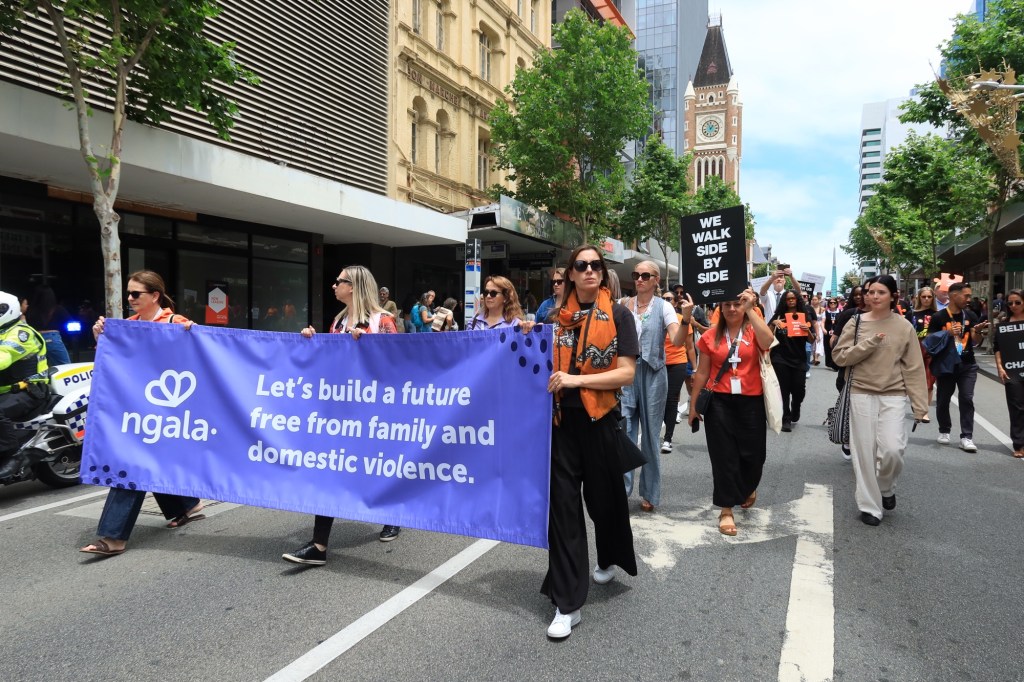
Gender-based violence is another contentious issue for both feminism and the MRM. While domestic violence is an issue that disproportionately affects women, when viewed outside of heteronormative and cisgender biases, gender non-binary and sexual minority men are also affected significantly (Scott-Storey et al. 2022). Both groups can collaborate to combat instances of gender-based violence, and provide comprehensive protection and support for all victims, regardless of gender or sexual orientation.


 Libby's Odyssey
Leave a comment