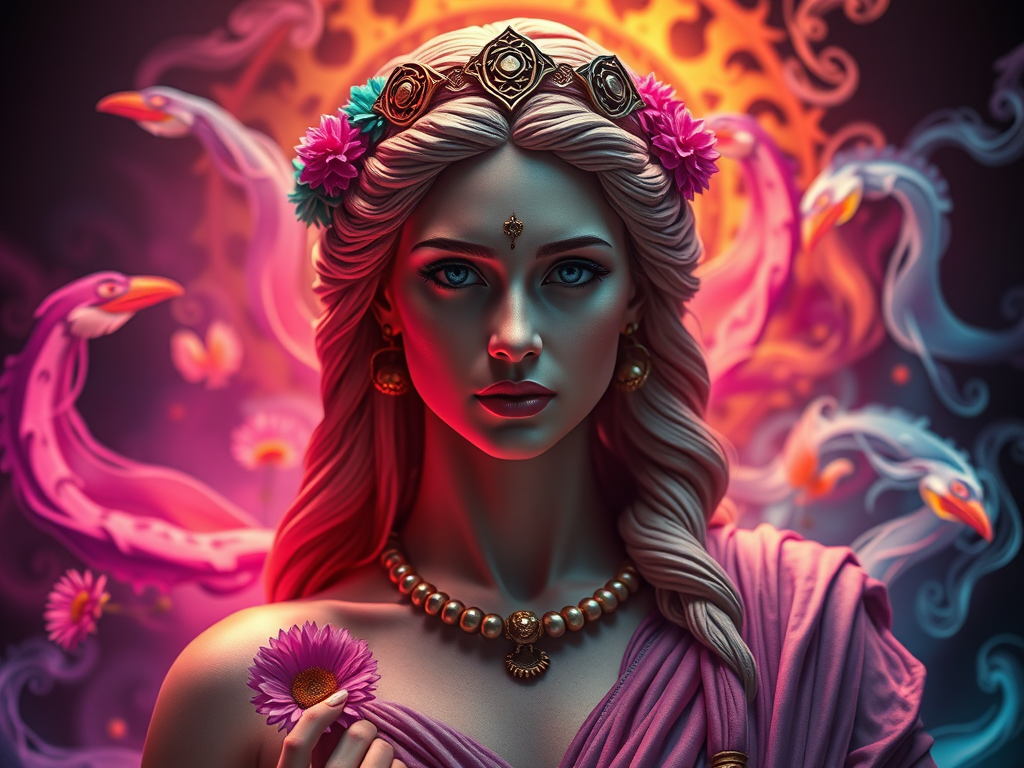
Mythopoesis is the literary process of mythmaking, creatively synthesising mythology and poetry to interpret pre-modern texts in a modern context. This form of storytelling is often rooted in the analysis of morality and the human psyche. While these types of narratives can embrace perceptions about gender identity in a broad sense, they can also perpetuate harmful stereotypes and misconceptions about certain groups. The mythopoetic men’s movement, for example, emerged in the late 20th century, exploring the newfound challenges that men faced, as traditional ideas of gender roles were changing. While this movement shared many similarities with feminism, such as encouraging male vulnerability and self-awareness, feminists have argued that within the process of redefining masculinity, problematic gender norms have been propagated (Gremillion 2011).
Mythopoetic storytelling often only utilises a narrow view of gender, often based on the “mobilisation…and proliferation” of traditional and problematic gender stereotypes (Butler 1990). When discussing gender, myths and stories can often employ binary and/or essentialist concepts, avoiding discussion of gender diversity. Focusing on one iteration of gender can marginalise the diversity within groups, ignoring the “interrelatedness of sex, race, and class oppression” in favour of the experience of the more privileged group. For example, when discussing women’s equality, white women’s voices tend to speak over those of other races, when it must be considered that gender is not the “sole determinant” of oppression (Hooks 1984). This approach can be alienating and stigmatising for those who are not white, not heterosexual or gender nonconforming.
While mythopoetic storytelling can be detrimental when delivered in a binary context, modern media and literature have started to move towards a more inclusive narrative by challenging the traditional model of storytelling. Trans and gender-diverse people appear more in media and stories today than ever before, but this inclusion still requires “challenging deep cultural assumptions”, a belief that must be cultivated. Despite this, members of the LGBTQI+ community find a sense of belonging and empowerment within stories that reflect their own unique experiences (Barsigian et al. 2023). With the increased inclusion of gender-diverse people within modern mythopoetic storytelling, individuals are empowered to take control of their own narratives, as they are witnessing others from their community, whether fictional or not, do the same. This facet of media consumption will begin to transform society’s understanding of gender outside of the binary.
A myth that resonates with my own gender identity is the story of the Greek Goddess Athena. Athena portrays a view of femininity that is not rigid, maintaining traditional feminine traits without the air of feebleness or complacency. The myth of Athena is said to bring new meaning to gender by “reinterpreting women as politically significant” beyond tradition and empiricism (Weltman 1997). Additionally, I believe that Athena aligns with my experience of being neurodivergent and female. Her unique abilities are celebrated, showing fierce independence with a level of self-determination that aligns with neurodivergence. She is also expressed to be resilient and adaptable, an expectation that is often placed on neurodivergent women in a neurotypical society without mainstream accessibility measures.


 Libby's Odyssey
Leave a comment